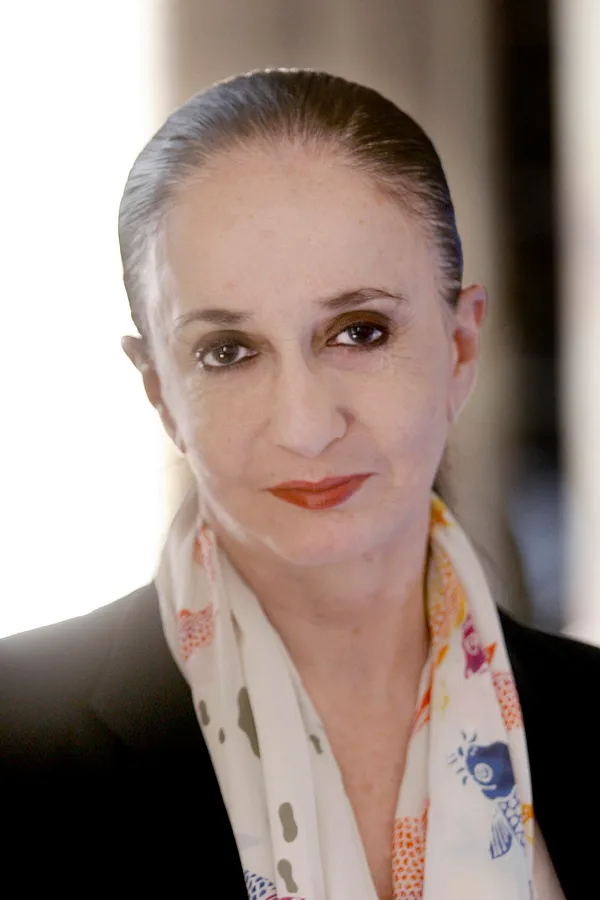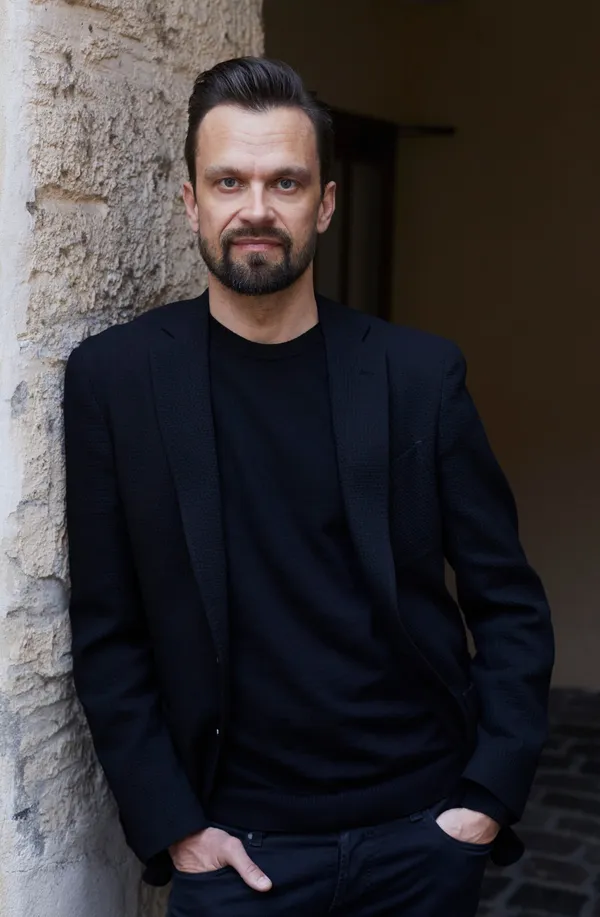

John Cranko Trust Logo
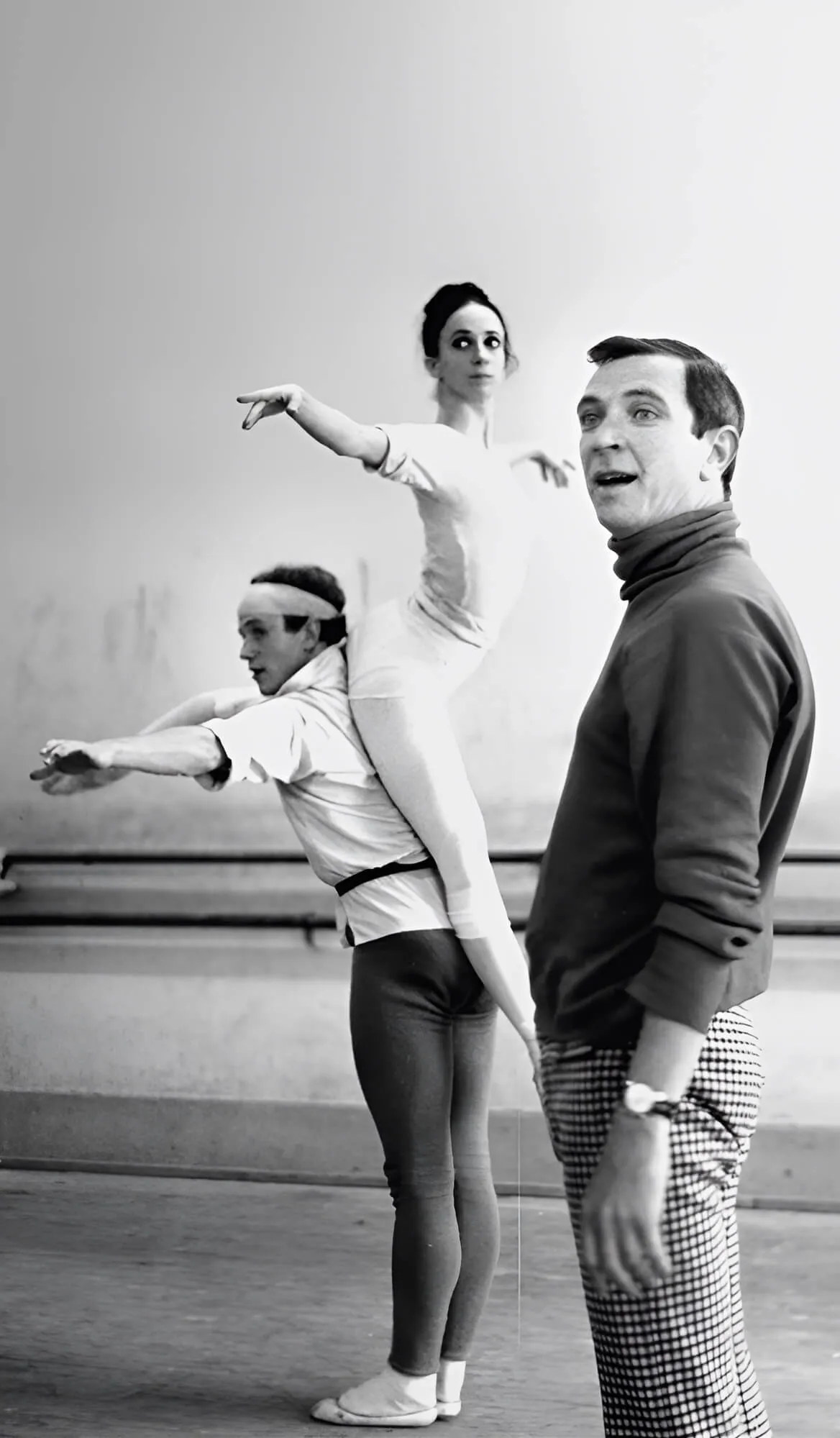
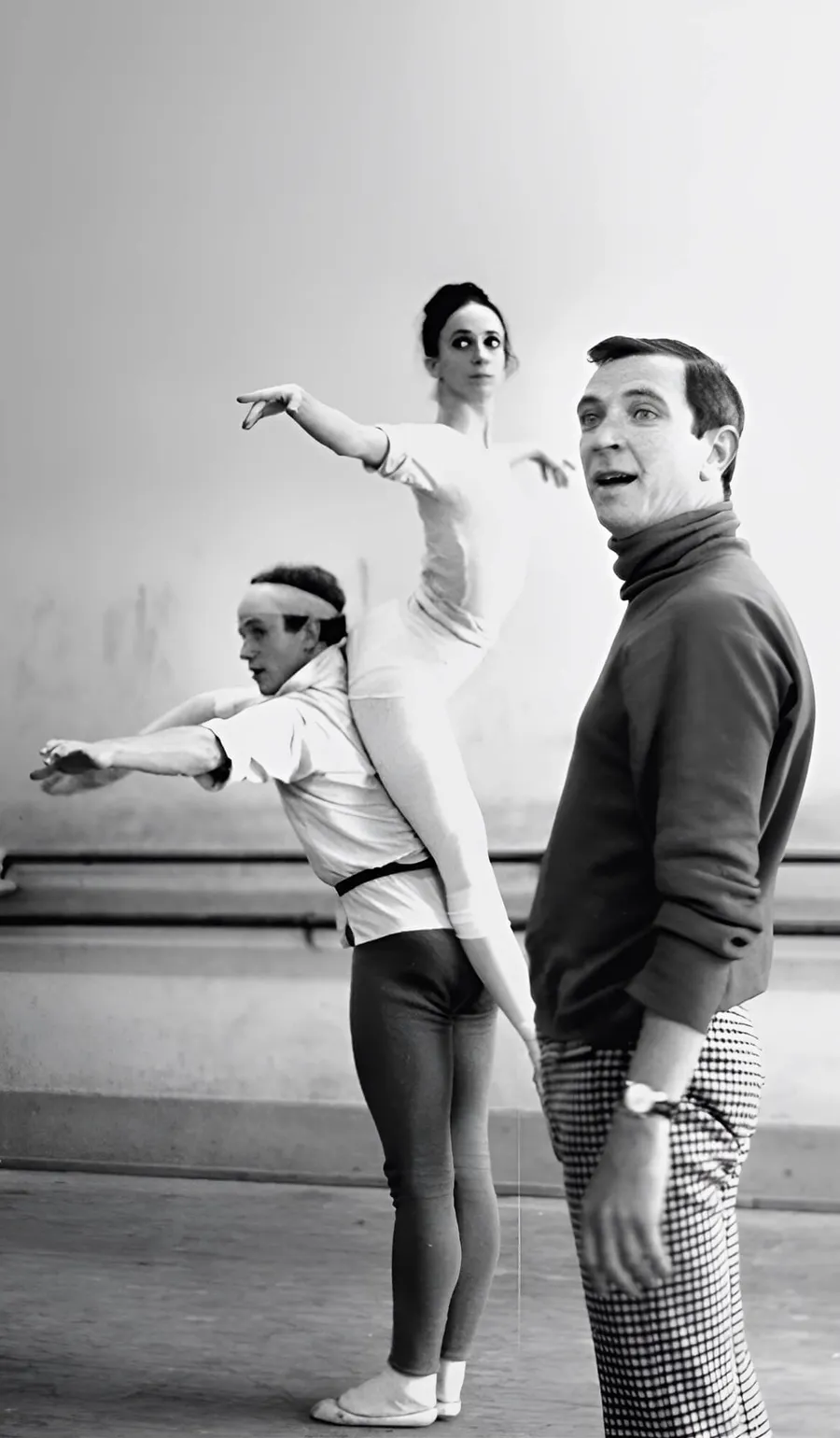
Photo: © Hannes Kilian, 
courtesy Stuttgarter Ballett/Staatstheater Stuttgart

The Trust

The John Cranko Trust is a trust with legal capacity under civil law based in Stuttgart. The purpose of the trust is to promote art and culture through the support of the John Cranko School.

This includes scholarships for dance students and students of choreography and choreology; scholarships for choreographers, dance teachers and ballet masters who create, teach and rehearse at the John Cranko School; support for the acquisition of works for performance by the John Cranko School; the realization of performances – among others also by graduates of the school - as well as support of apprentice contracts for graduates of the school and others.

Board

Profile photo of Reid Anderson-Graefe
© Roman Novitzky

Reid Anderson-Graefe, Ballet Intendant of the Stuttgart Ballet from 1996 to 2018, can look back on a long and successful career as a dancer, teacher, coach, producer, and ballet director. For almost 40 years, he has staged the ballets of John Cranko for the most renowned ballet companies worldwide.

He was born on April 1, 1949, in New Westminster, Canada, and began his dance training at the Dolores Kirkwood Academy in Burnaby, British Columbia. At the age of 17, he received a scholarship to study at the Royal Ballet School in London, England. A year later, in February 1969, he joined the Stuttgart Ballet at the invitation of John Cranko. During his 17-year career with the Stuttgart Ballet, Anderson—promoted to soloist in 1974 and to principal dancer in 1978—danced leading roles not only in the works of John Cranko, but also in many classical and contemporary pieces, working with some of the leading choreographers of the 20th century.

From August 1987 to June 1989, Reid Anderson-Graefe was the ballet director of Ballet British Columbia in Vancouver, and in July 1989 he was appointed ballet director of the National Ballet of Canada in Toronto. In 1996, Anderson returned to the Stuttgart Ballet as ballet director and was appointed Ballet Intendant at the end of that season. From the outset, he pursued a repertoire policy that, alongside fostering Cranko’s legacy and the high art of classical ballet, dedicated ample space to the discovery and promotion of young dancing and choreographic talents. The works of established contemporary masters formed another focus. For many choreographers, their Stuttgart world premieres under his leadership became milestones on the path to international recognition.

In February 2006, Reid Anderson-Graefe received the German Dance Prize for his services to the art of dance in Germany. In April 2009, he was awarded the Medal of Merit of the State of Baden-Württemberg. In December 2013, the Stuttgart Ballet under his directorship received the European Dance Culture Award, and in 2018, he received the Grand Staufer Medal in Gold.


Profile photo of Christoph Johan Graefe
© Roman Novitzky

Christoph Johan Graefe was born in Koszalin, Poland. He received his ballet training at the National Ballet Schools of Warsaw and Gdańsk, where he graduated in 1990.

He then became a soloist with the ballet company of the Baltic Opera in Gdańsk. In 1992, he moved as a soloist to the Associazione Balletto Classico in Reggio Emilia, Italy. There he was prepared for the International Ballet Competition in Varna, Bulgaria, where he won 3rd prize in the senior category. In 1993, Graefe became a soloist with the Stuttgart Ballet. His repertoire included works by, among others, George Balanchine, Maurice Béjart, Mauro Bigonzetti, David Bintley, John Cranko, Marcia Haydée, John Neumeier, Peter Schaufuss, Uwe Scholz, Stephan Thoss, Hans van Manen, and Renato Zanella. In 1998 and 1999, he was also a principal guest dancer with the Royal Danish Ballet. In 1999, he joined the Birmingham Royal Ballet to work with David Bintley. There he also danced in works by George Balanchine, Sir Kenneth MacMillan, and Sir Peter Wright.

In September 2002, Graefe successfully completed his training as a ballet teacher at the Royal Academy of Dance in London. In December 2003, he completed his studies at the University of Birmingham with a Bachelor of Philosophy degree. Between 2002 and 2004, he worked as a freelance ballet teacher at companies and schools worldwide, including the Stuttgart Ballet, the Birmingham Royal Ballet, the Royal Swedish Ballet, the Ballet du Capitole in Toulouse, and the Slovenian National Ballet in Ljubljana and Maribor. He then served as First Ballet Master at the Royal Swedish Ballet until 2006. Since July 2006, Graefe has been Production Manager and Ballet Master at the Stuttgart Ballet.

In addition, he staged a production of Don Quixote (after Petipa/Gorsky) for the Slovenian National Ballet, which was later taken over by the Gwangju City Ballet in South Korea. Not least, he has been the manager of the John Cranko Estate since 2013.

Profile photo of Tamas Detrich
© Roman Novitzky

Tamas Detrich is an American of Hungarian descent and was born in New York. He received his first ballet lessons at the National Academy of Ballet and Theater Arts, later under David Howard at the Harkness House of Ballet in New York, and finally at the John Cranko School in Stuttgart, where he graduated in 1977.

In the same year, he joined the Stuttgart Ballet, where his technical and acting abilities quickly attracted attention: In 1980, he was promoted to soloist, and a year later to principal dancer. During his 25 years with the Stuttgart Ballet, he danced all the leading roles in John Cranko’s ballets and thrilled audiences worldwide with his portrayals of Prince Siegfried in Swan Lake, Romeo in Romeo and Juliet, Onegin and Lensky in Onegin, as well as Petruchio in The Taming of the Shrew. He also danced Armand Duval in The Lady of the Camellias (John Neumeier) and leading roles in Song of the Earth and Requiem (Sir Kenneth MacMillan), Arena and Voluntaries (Glen Tetley), La Sylphide (Peter Schaufuss), as well as in ballets by major contemporary choreographers such as George Balanchine, Maurice Béjart, Hans van Manen, William Forsythe, and Uwe Scholz. In 1998, he was named Kammertänzer; in the fall of 1999, he received the John Cranko Prize.

At the end of the 2001/02 season, Detrich bid farewell to the stage with John Cranko’s Onegin; from the 2002/03 season onwards he worked exclusively as a ballet master. In 2004, Ballet Intendant Reid Anderson-Graefe also appointed him Associate Artistic Director of the Stuttgart Ballet. His appointment as Deputy Ballet Intendant followed in 2009. In July 2015, the Board of Directors of the Staatstheater Stuttgart unanimously elected Detrich as Reid Anderson-Graefe’s successor; he has held the position of Ballet Intendant since the 2018/19 season. Detrich has staged John Cranko’s ballets Romeo and Juliet and Onegin at the Stuttgart Ballet and for other companies such as the Paris Opera Ballet, American Ballet Theatre, the Vienna State Opera Ballet, as well as in Budapest and Stockholm.

Board of Trustees

Profile photo of Marcia Haydée
© Ulrich Beuttenmüller

Marcia Haydée is among the greatest ballerinas of her generation, who shaped the Stuttgart Ballet not only as the outstanding muse of choreographer John Cranko, but also as director.

Haydée was born in Niteroi, Rio de Janeiro, Brazil. She initially received ballet lessons in Rio de Janeiro before studying at the Sadler’s Wells Ballet School in London from 1953 for two years. After several years with the Grand Ballet du Marquis de Cuevas, she auditioned in Stuttgart in 1961 and was engaged by then-ballet director John Cranko. Just a year later, he appointed her principal dancer. In Stuttgart, Haydée made ballet history as a particularly expressive dancer: as Cranko’s principal muse and through the numerous challenging leading roles he created for her during his tenure as ballet director—including Juliet in Romeo and Juliet (1962), Tatiana in Onegin (1965/1967), Katherina in The Taming of the Shrew (1969), Carmen in the eponymous ballet, “M” in Initials R.B.M.E. (1972), Legend (1972), the Beauty in Poème de l’Extase, and the female lead in Spuren (1973). She played a key role in the so-called “Stuttgart Ballet Miracle” and subsequently conquered the world’s stages with the Stuttgart Ballet.

In addition to John Cranko, other major choreographers such as Kenneth MacMillan, Maurice Béjart, and John Neumeier were inspired by Haydée’s artistry and created challenging female roles for her, e.g., in ballets such as Song of the Earth (MacMillan), The Chairs (Béjart), The Lady of the Camellias, and A Streetcar Named Desire (Neumeier). As a guest, Haydée danced with almost all of the world’s renowned ballet companies, with partners including Rudolf Nureyev, Mikhail Baryshnikov, Paolo Bortuluzzi, and Jorge Donn.

In 1976, Marcia Haydée became director of the Stuttgart Ballet, which she led for 20 years. Like Cranko, Haydée was dedicated to promoting young choreographic talent. Early on, she recognized and fostered choreographers such as William Forsythe and Uwe Scholz, who created numerous works for the Stuttgart Ballet. Equally important for the company was her invitation to choreographers such as John Neumeier, Jiří Kylián, Maurice Béjart, and Hans van Manen to Stuttgart to expand the company’s repertoire. In addition to her commitment in Stuttgart, Haydée served as director of Ballet de Santiago de Chile from 1992 to 1995 before stepping down as director of the Stuttgart Ballet in 1996. At the beginning of the 2003/04 season, she once again took over the direction of the ballet at the Teatro Municipal in Santiago de Chile and led the company until 2021.

With her successful production of The Sleeping Beauty in 1987, Haydée made her debut as a choreographer. Further creations followed, including Giselle and the Wilis (1989). In 2009, her new production of Swan Lake premiered at the Royal Ballet of Flanders in Antwerp. At the same time, she continued to develop as a dancer. Through collaborations with artists such as klezmer clarinetist Giora Feidman or dancer and choreographer Ismael Ivo, she discovered new expressive possibilities beyond classical ballet from the mid-1990s onward.

In 1989, Haydée received the German Dance Prize; in 2007, the Staufer Medal in Gold from the State of Baden-Württemberg; and in 2009, the Grand Cross of the Order of Merit of the Federal Republic of Germany with Star. In recognition of her extraordinary contributions to dance, she received the Prix Benois de la Danse in 2017 and the Lifetime Achievement Award of the Prix de Lausanne in 2019.

Profile photo of Marc-Oliver Hendriks
© Maks Richter

Born in 1970 in Duisburg, Marc-Oliver Hendriks passed his Abitur in 1990 at the Städtisches Stiftsgymnasium in Xanten and studied history, political science, and English at the University of Duisburg. From 1991 to 1995, Hendriks studied law at the University of Konstanz; he completed his legal traineeship from 1997 to 1999 in Berlin, where he worked, among other roles, as assistant to the managing director of the Deutsche Oper. After completing the Second State Examination, he became Administrative Director and Deputy Intendant of the Theater Nordhausen/Loh-Orchester Sondershausen in 1999. From August 2003, he served as Managing Director of the Bavarian Theatre Academy August Everding at the Prinzregententheater in Munich. Since September 1, 2009, Hendriks has been Managing Director of the Württemberg State Theatres in Stuttgart.

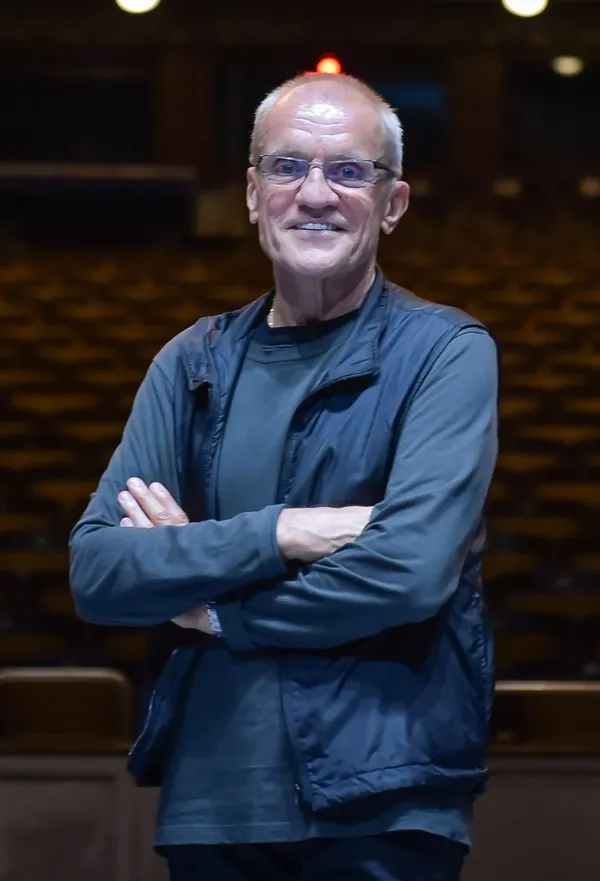
Profile photo of Tadeusz Matacz
© Roman Novitzky

Tadeusz Matacz, born in Warsaw, Poland, completed his ballet training at the State Ballet School in Warsaw, where he subsequently also completed a pedagogical training with Leonid Zhdanov. In 1977, he received his first engagement as a dancer at the Grand Theatre in Warsaw; at the same time, he worked as a teacher at the ballet school in Warsaw.

From 1979 to 1984, Matacz was principal dancer at the Grand Theatre in Warsaw. From 1984 to 1992, he was a soloist at the Badisches Staatstheater in Karlsruhe, where, from 1988, he also assumed pedagogical responsibilities. From 1992 to 1998, he served as training director, ballet master, and choreographer at the Badisches Staatstheater in Karlsruhe. From 1990 to 1998, Matacz was also a guest training director with the Frankfurt Ballet, Toulouse Ballet, the Grand Theatre in Warsaw, and, from 1997 to 1998, with the Stuttgart Ballet.

Since January 1999, Tadeusz Matacz has been Director of the John Cranko School. He is regularly invited to serve as a juror for the most renowned international ballet competitions.

Profile photo of Yseult Lendvai
© Carlos Quezada

Yseult Lendvai was born in Lays-Les-Roses, France. She received her dance training at the École Supérieure de Danse du Québec. After graduating, she became an apprentice with Les Grands Ballets Canadiens in 1985. A year later, she joined Ballet British Columbia under the direction of Reid Anderson-Graefe. In 1989, she moved with Anderson to the National Ballet of Canada, where she distinguished herself as a soloist in numerous roles until 1996. In Canada, Lendvai became particularly known for her subtle and precise interpretations of leading roles in the Cranko repertoire. As a principal dancer with a wide expressive range, she also performed in choreographies by Sir Frederick Ashton, William Forsythe, Jiří Kylián, Sir Kenneth MacMillan, John Neumeier, Jerome Robbins, and Glen Tetley.

From 1996 to 2004, she was a principal dancer with the Stuttgart Ballet, where she danced Tatiana in Onegin, Katherina in The Taming of the Shrew, Juliet in Romeo and Juliet, as well as “M” in Initials R.B.M.E., the Lady in The Lady and the Fool, and the female lead in Poème de l’Extase (all by John Cranko). She also appeared as Marguerite Gautier in The Lady of the Camellias (John Neumeier), the Princess in The Firebird (Uwe Scholz), and Columbine in Pierrot Lunaire (Glen Tetley) and danced leading roles in numerous works by, among others, Christian Spuck, Kevin O’Day, Jean-Christophe Maillot, Dominique Dumais, Marguerite Donlon, Jean Grand-Maître, John Alleyne, and Douglas Lee. Many choreographers created roles specifically for her. With the Stuttgart Ballet, she toured the USA, Japan, Hong Kong, and Europe.

Lendvai appeared as a guest as Tatiana in Onegin with the Royal Ballet and at La Scala, as Juliet in John Cranko’s Romeo and Juliet with the Vienna State Opera Ballet and the Ballet of the Teatro San Carlo in Naples, as Katherina in The Taming of the Shrew with the Semperoper Ballet in Dresden, and as Tatiana, Juliet, and Katherina with the Rome Opera Ballet. Vladimir Malakhov invited her to the Staatsoper Unter den Linden in Berlin to dance the role of the Queen Mother in Patrice Bart’s version of Swan Lake.

From 2007 to 2012, Lendvai was training and rehearsal director at Theater Augsburg. From 2012 to 2015, she also held the position of Deputy Ballet Director there.

From 2016 to 2023, Yseult Lendvai was a ballet master with the Stuttgart Ballet, where she passed on her many years of experience—above all in the ballets of John Cranko—to the next generation.

Profile photo of Filip Barankiewicz
© Anna Bauer

Filip Barankiewicz, born in Warsaw, received his dance training in his native Poland. As the first scholarship holder of the Rudolf Nureyev Foundation, he continued his studies under Marika Besobrasova at the Académie de Danse Classique in Monte Carlo. He also won the Vaslav Nijinsky Prize.

In 1996, he joined the Stuttgart Ballet and was promoted to principal dancer in 2002. In Stuttgart, he danced a broad repertoire of leading roles in classical and contemporary ballets, as well as leading roles in the major works of John Cranko, including Onegin, Romeo and Juliet, and The Taming of the Shrew. He guested with renowned ensembles and was invited to prestigious international galas. Alongside his dancing career, he trained as a ballet teacher at the John Cranko School and received his diploma in 2003.

After 18 successful years as a distinguished dancer in Stuttgart, Barankiewicz was appointed director of the Czech National Ballet in 2017, where he expanded the company’s repertoire with a diverse program that includes established world-class choreographers as well as works by exciting young choreographers. Under his leadership, the company presents the largest repertoire of John Cranko’s ballets outside Stuttgart. His highly successful tenure as director has also earned the Czech National Ballet invitations to tour worldwide. In 2025, he was awarded the “Perły Tańca” prize as one of 13 personalities who successfully promote Polish culture abroad. In addition, Barankiewicz is known worldwide as a guest coach and a renowned ballet master. He has staged John Cranko’s choreographies for numerous companies, including the Estonian National Ballet, the Korean National Ballet, the Polish National Theatre in Warsaw, Ballet de Santiago de Chile, the Bavarian State Ballet, the Royal Swedish Ballet, the Norwegian National Ballet, the Finnish National Ballet, the National Ballet of Canada, and the Miami City Ballet.

Profile photo of Vivien Arnold
© Kiran West

Vivien Arnold received her dance training at the Hartford Ballet School, the School of American Ballet and the Heinz Bosl Foundation and danced with the Hartford Ballet in works by George Balanchine, August Bournonville, Paul Taylor, Peter Martins and Michael Uthoff, among others. She subsequently studied at Wesleyan University and graduated with a thesis entitled “The Ballet Body: Changing Perspectives on the Feminine Ideal” under Professor Sally Banes. From 1988 she worked at Houston Ballet, first as marketing manager, then as press officer. In 1996, at the invitation of Reid Anderson-Graefe, she joined the Stuttgart Ballet, where she managed the department for Press, Dramaturgy and Public Relations Department until 2002. From 2006 to 2010 she assisted Eric Gauthier in the founding and development of Gauthier Dance at Theaterhaus Stuttgart as a dramaturge, consultant and press officer. From 2010 to 2024, she was Director of Dramaturgy and Communication at the Stuttgart Ballet. She is the publisher of a biography of Reid Anderson-Graefe and editor of “John Cranko: Tanzvisionär” (both Henschel Verlag). As a moderator, she has led discussions with Marcia Haydée, Birgit Keil, Richard Cragun, Egon Madsen, Jürgen Rose, Glen Tetley, Martin Schläpfer, Christian Spuck, Marco Goecke and Jean-Pierre Frohlich, among others. From 2013 - 2015 she was a consultant (“Sachverständige”) for dance for the theater prize DER FAUST.